The Narrated Self
How do archetypes influence our identity and relationships?
My approach to relational polarity is rooted in my long-term fascination with the overlap between our unconscious (as it articulates itself through stories and archetypal structures), and our conscious engagement with these narratives. This interaction, I believe, is at the core of the formation of Self. We often think of reading as a "passive" pastime, but it actually shapes our sense of Self, and as such is at the root of self-development work. Our unconscious (the psyche) expresses itself to us through symbols and archetypes. This is why certain stories appeal to us more than others: we are drawn to themes and meaning. Archetypes give us access to this world of symbols.
How does narrative psychology explain intimacy and relational dynamics?
This is the same analytic lens I have always brought to teaching literature, and it underpins the framework I have developed in my own book, Embodied Polarity. This is essentially my attempt to tell a deeper story about how our Selves meet in intimate relationships.
We interact with each other in "story-mode". Simply put, we interact as though we were playing out a role in a story. This is how we "read our relationships" : we assign meaning to our interactions and we analyze each other through these narratives. This is how we use archetypes (often without even being aware of it!): they help us label each other and make sense of how we interact.
A handful of books have been central to my exploration, though there are certainly more (specific to relational polarity: works by Deida, Esther Perel, Jordan B. Peterson and others). But these below each illuminate a facet of how stories give us access to our unconscious inner parts and how our conscious reading of those stories forms identity. Taken together, they outline the movement between the personal and the collective that underpins my work.

If these themes resonate at all, do check them out. You'll find a lot of nuggets on meaning, identity & belonging 🌿
*1. The Undiscovered Self (Jung) → the individual psyche threatened by collective (mass culture) narratives. This one is the foundation, for me.
2. Art Thinking (Whitaker) → creativity as a way of authoring one’s inner world
3. Mourning Happiness (Soni) → on our loss of older moral narratives and the longing for meaning
4. Women Who Run with the Wolves (Estés) → myth as a map of our instinctual psyche
5. Culture Care (Fujimura) → culture as a narrative ecosystem that shapes identity
6. The Stories We Live By (McAdams) → identity as a narrative construction of "personal myths"
7. Second Sight (Maxwell) → the symbolic imagination as a mode of knowing, referencing Victorian work
8. The Sacred and the Profane (Eliade) → mythic time and sacred narrative as anchors of meaning... the greatest reference for ritual practice.
How symbols reveal what we cannot articulate
The over-arching theme that resonates in all these titles and my own exploration is the function of symbols/myth/archetypes in shaping our sense of meaning & identity. Our interaction with literature, but with all forms of narrative in general, is a dialogue: an ongoing interaction between the unconscious and the conscious. Symbols are expressed to us in myriad ways, and we respond by engaging with specific stories. This is how our psyche (unconscious) expresses itself to us and through us. Symbols are like signposts and patterns that help us explore the unconscious world of our psyche.
This is how we construct ourselves, essentially, and find means to engage with the world around us. This is our ancient impulse: to share through symbols, sometimes with language, but even more through our Unconscious engagement with meaning.
If that sounds too abstract, just think of how you are always telling yourself a story when you think of your relationships:
You enter a new relationship and immediately feel pressure to be the “easy one,” the “stable one,” or the “low‑maintenance one.” No one asked you to do that. But you're holding onto a story that has convinced you that this is what good relationships look like. It’s like a role you’ve rehearsed so many times that playing it out feels automatic. In reality, you're just engaging with a set of symbols. You're playing out an archetype. We ALL do this.
What story do you think you’re writing together, and, more importantly, does your partner think they’re in the same one?
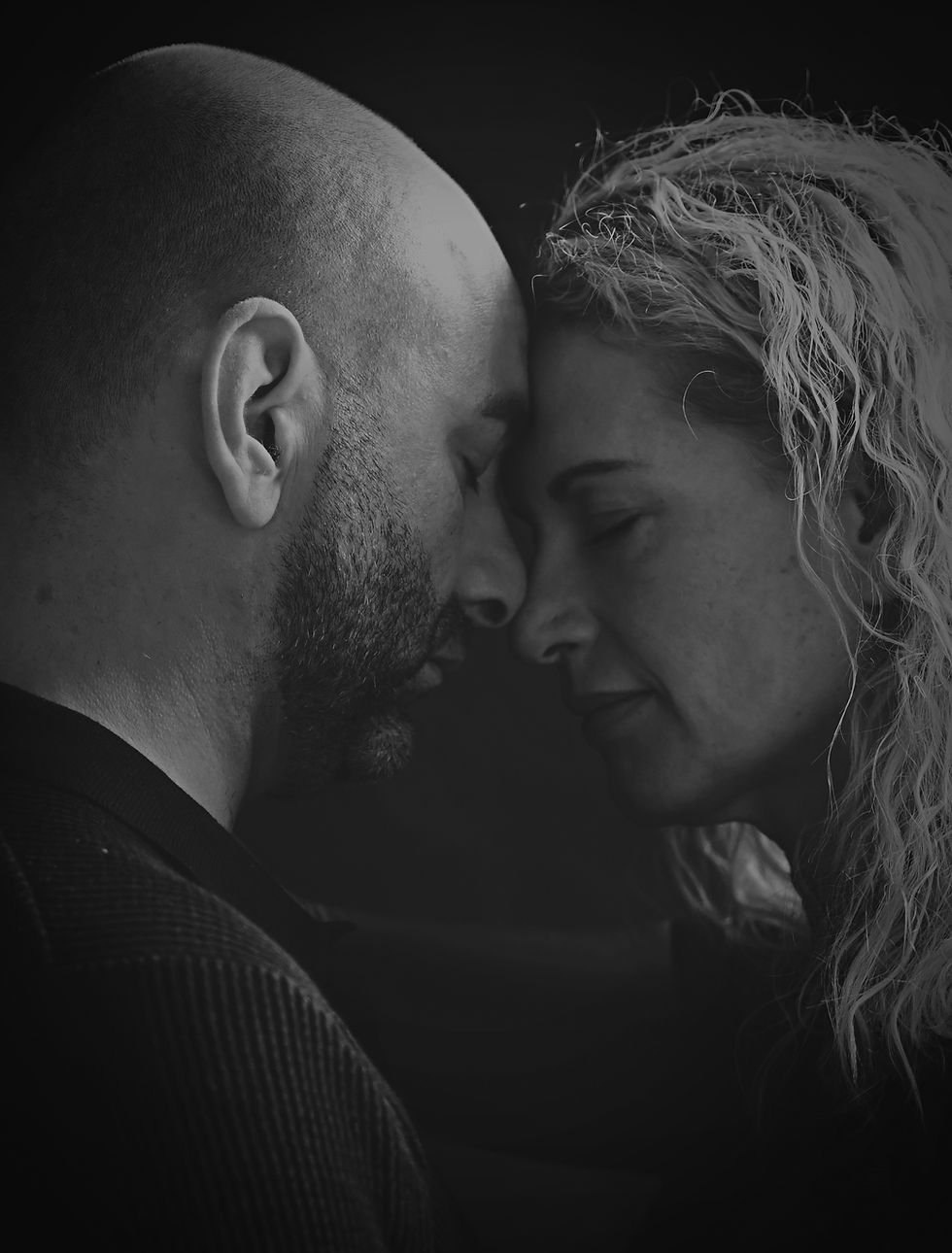
Conscious relationships are essentially about learning to interact with the story of our connection. This means we need to develop awareness (conscious) about the patterns AND learn about our unconscious and energetic dynamics. When we look at our intimate connections through that framework, we can partner up to be more intentional in the love story we play out together.
I'm always happy to dialogue about these themes, so drop me a DM if you're interested to explore these together.


Comments